
News
We share our news and views on industry-related events.
News | The impact of fuel price increases on your insurance
The impact of fuel price increases on your insurance
April 09 2026 By Reliance Insurance Brokers
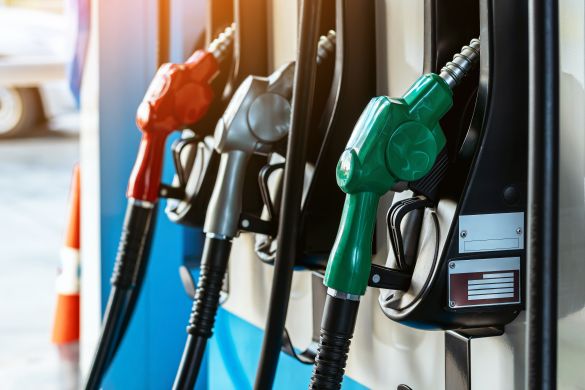
The recent fuel price hikes in South Africa are not only having a financial impact at the pumps but also an insurance impact, with potentially far-reaching consequences for consumers and businesses.
Owning and running a vehicle is expensive: aside from insurance and fuel costs, there are licence fees and ongoing maintenance costs. Even a small increase in the price of petrol and diesel pushes these overheads up considerably, even more so for businesses.
When fuel prices soar one of the first places consumers and companies look to save money is insurance. Slashing monthly insurance premiums to account for higher personal transport and operational costs is common, but the downside is being left underinsured.
Vehicle insurance accounts for the highest number of short-term insurance claims, with the largest proportion of these claims arising from accidents, car theft and hijacking.
Another popular cost-cutting area is vehicle maintenance. Delaying repairs or putting them off altogether in the hope of offsetting fuel costs can be deadly. Any integral vehicle part that is damaged or old and left unattended can cause a mechanical failure and as a result, an accident.
Reduced vehicle maintenance leads to more frequent or severe insurance claims. In such cases, even if your vehicle is still fully insured with comprehensive cover, your insurance will not cover the claim as the accident was the result of wear and tear, and therefore negligence on your part.
Insurers are aware of these trends towards cost savings and analyse them, as well as economic indicators like petrol prices, to adjust risk models.
Rising fuel prices increase the cost of towing, logistics and importing vehicle parts, causing higher claim payouts for insurers. Increased operating costs in the logistics sector also often corresponds with higher risks of fuel theft and cargo hijacking.
The outcome of these scenarios can be higher insurance premiums, as insurers attempt to mitigate the increased cost of paying out claims.
This points to the absolute importance of properly maintaining personal and business vehicles during this time. It also underscores the necessity of keeping insurance premiums and policies untouched, as covering vehicle-related costs out of pocket are prohibitive.
Consumers and businesses too can take measures to mitigate rising petrol and diesel costs. Private vehicle owners can use technology to check for the most fuel-efficient routes during peak traffic times, and drive within the speed limit to limit fuel consumption.
Drivers can also consider carpooling, cutting down on fuel use and lessening wear and tear on their vehicles. However, policy holders must notify their insurers if they intend to use their cars for this purpose.
For businesses, fuel costs can represent 33% to 55% of daily operating expenses for road freight, leading to immediate cash flow pressure.
Business owners are advised to review their insurance policies, implement strict fleet management solutions, and actively manage operating efficiency.
Telematics can be used to monitor driver behaviour, shown to reduce fuel consumption by an average of 15% and lower the risk of accidents, or more efficient transport methods such as delivery motorcycles can be adopted.